meeting Ed Accura, finally
by Susan Pappalardo
Ed Accura is changing the narrative for Blacks, Asians, and Caribbeans in the UK. 95 – 97% of Blacks in the UK do not regularly swim or know how to confidently swim. That is like nearly everyone who identifies as Black. Ed’s personal experience around water and the desire to be able to save his daughter’s life if he had to has led him down a path that he would never have predicted six years ago. That included sitting on a couch in a coffee shop near the Liverpool Street Station in London with me this past week.
Ed Accura at the screening of his Changing the Narrative series. Photo courtesy of Ed Accura.
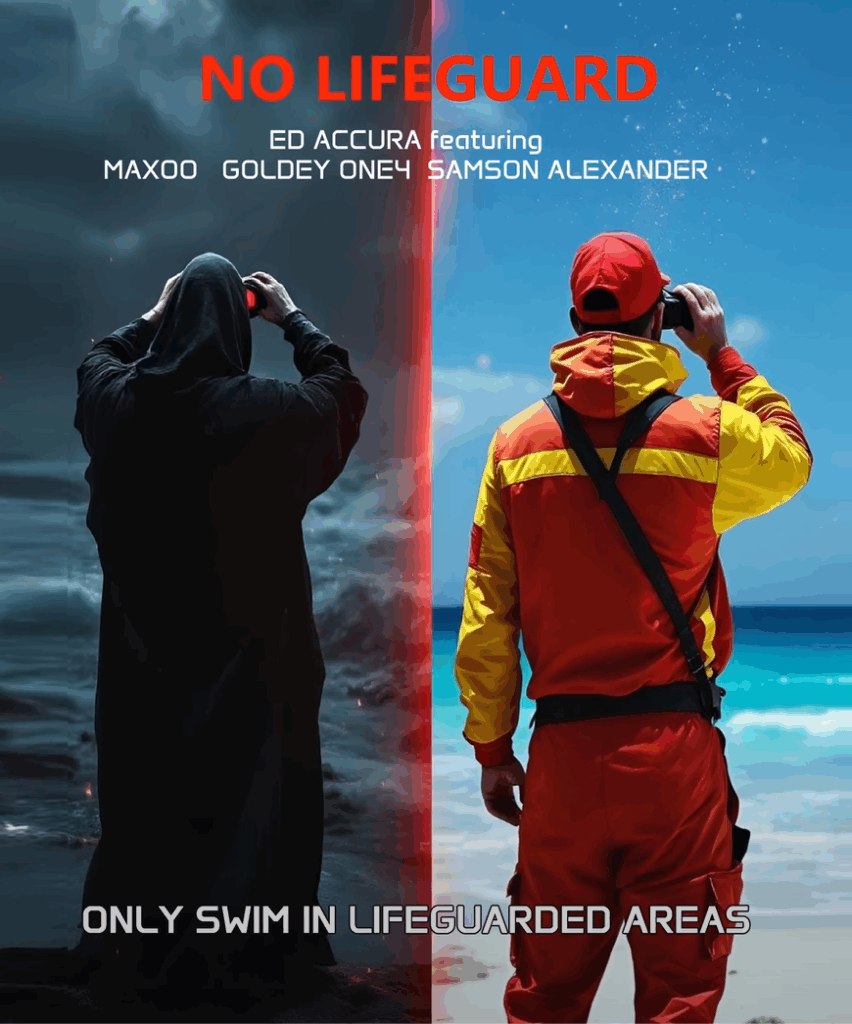
I have followed Ed on social media from the launch of his first movie 'Blacks Can’t Swim' in 2019 to his co-founding of The Black Swimming Association and the many podcasts and conversations that he continues to have with the passionate goal of changing the narrative for people of color. I’ve watched his work, listened to his music, purchased and read his book, and am now watching his five part series Changing the Narrative. Ed just released a new song ‘No Lifeguard’ and a campaign that he hopes will save lives. His audience is the Black and Asian community who do not regularly swim and may not even have given swimming a second thought as they navigate their world. The audience, although it includes people from Black and Asian backgrounds, is not exclusive to them. It includes anyone who enters the water, regardless of ethnicity. With our HS Lifeguard Training Program and mission around water safety, I of course was drawn to Ed’s new song simply based on the title, message, and interest in helping create momentum for the campaign.
Blacks Can’t Swim Movie promotional photo of Ed wearing the lifejacket that launched his water safety campaign and move. Photo courtesy of Ed Accura.
Personal travel and Work Collide in London
I was beyond excited to finally meet Ed in person. We exchanged emails to arrange our first phone call in 2020 in which our Board member Katoya Palmer joined me. In 2023, while working with our local Drowning Prevention Collaborative with UW Harborview Injury Prevention & Research Center, Seattle Children’s, and Public Health Seattle King County, I reached out again to Ed and the Black Swimming Association to include their work in our 'Equity in Aquatic Programming Guide – A Guide for Creating Culturally Responsive Aquatic Programs'. Recently, the week of my personal travel to London coincided with Ed’s outreach to our team to see if we could help promote his ‘No Lifeguard’ campaign. I was in London and I wasn’t going to miss an opportunity to meet Ed in person to talk about his new work.
Photos by Susan Pappalardo
'No Lifeguard' opening doors to water safety education
Prior to our meeting, Ed shared with me a conversation he recently had with an organization about promoting his ‘No Lifeguard’ campaign. They could not agree with the campaign because it went against their ethos of swimming freely. Freedom of choice, especially when promoting outdoor or wild swimming is challenging if you are promoting to only swim where lifeguards are present. Outdoor swimming is often done in unlifeguarded natural waters. Having respect for water, knowing your personal limits, and making safe decisions are central to the organization's audience and their organization. The confluence of personal choice, responsibility, water safety education, and reaching audiences that may not have had access to water safety education creates an important and constructive topic area for further discussion.
Ed shared with me the origin story of his foray into learning how to swim and dispelling the myth that Blacks can’t swim. You might think that since Ed is Black and his personal journey includes overcoming his fears around water to learn how to swim as an adult that it is somehow easier for him to reach his audience. It’s not and it’s also not easier for him to center his effort in the popular water safety community. He’s been attacked for saying ‘Blacks Can’t Swim’, but his grounding in statistics and talents as a music and video storyteller, have opened the door for so many. Ed is a pioneer creating a safe, welcoming place for the Black community to learn their history around water and spark an interest in learning how to swim or regain dormant swimming skills. He and his Black Swimming Association colleagues have set the table, creating programs that meet the Black, Asian, and Caribbean community where they are and creating aquatic pathways. I remain as inspired as I was when I first learned about Ed’s and the BSA’s work. The partnerships and programs are best in class ready for continued momentum around the world.
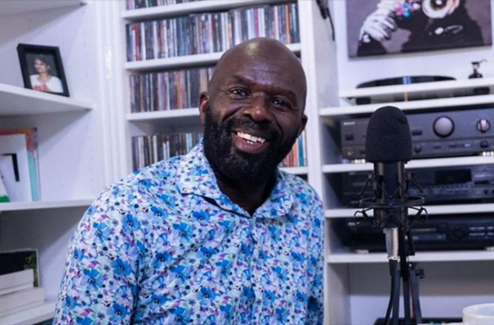
Ed Accura in his podcast recording studio. Photo courtesy of Ed Accura.
If you could tell our audience one thing...
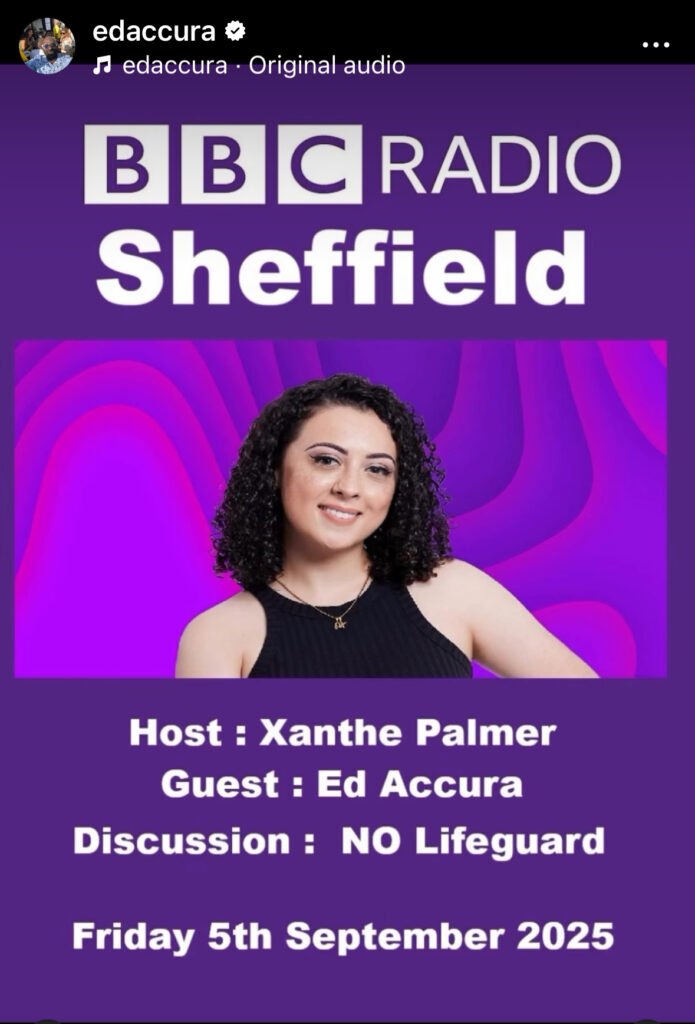
Several recent British drownings inspired the ‘No Lifeguard’ song. One of those includes the drowning of an 11 and 13-year-old British brother and sister while on holiday with their family in Spain. The dad, son, and daughter went out in the evening for an ocean swim while the mom and one other child stayed back at the hotel. The father tirelessly attempted to rescue his children when he saw them in trouble and nearly drowned. Sea conditions were rough, a yellow flag indicating ‘swimming is okay but caution advised’ and lifeguards had signed off for the day. The BBC called up Ed for an interview. It was at the end of the interview when he was asked the question that many in the water safety advocacy community get asked, ‘If you could tell our audience one thing, what would it be?’
Ed and I commiserated on the ease of asking this question and the perplexity of a response given the many ways to advise about being safe around water. Ed’s response came quickly though, he said if there was one thing someone could do is ‘don’t swim where there is no lifeguard’. Swimming where there is a lifeguard greatly increases your chances of being safe in and around the water because a lifeguard is trained on how to respond if there is trouble and knows the risks around the area they are lifeguarding. Though this response may not have been what others would have said, for Ed, his journey, and his audience it could be the number one thing that saves someone’s life.
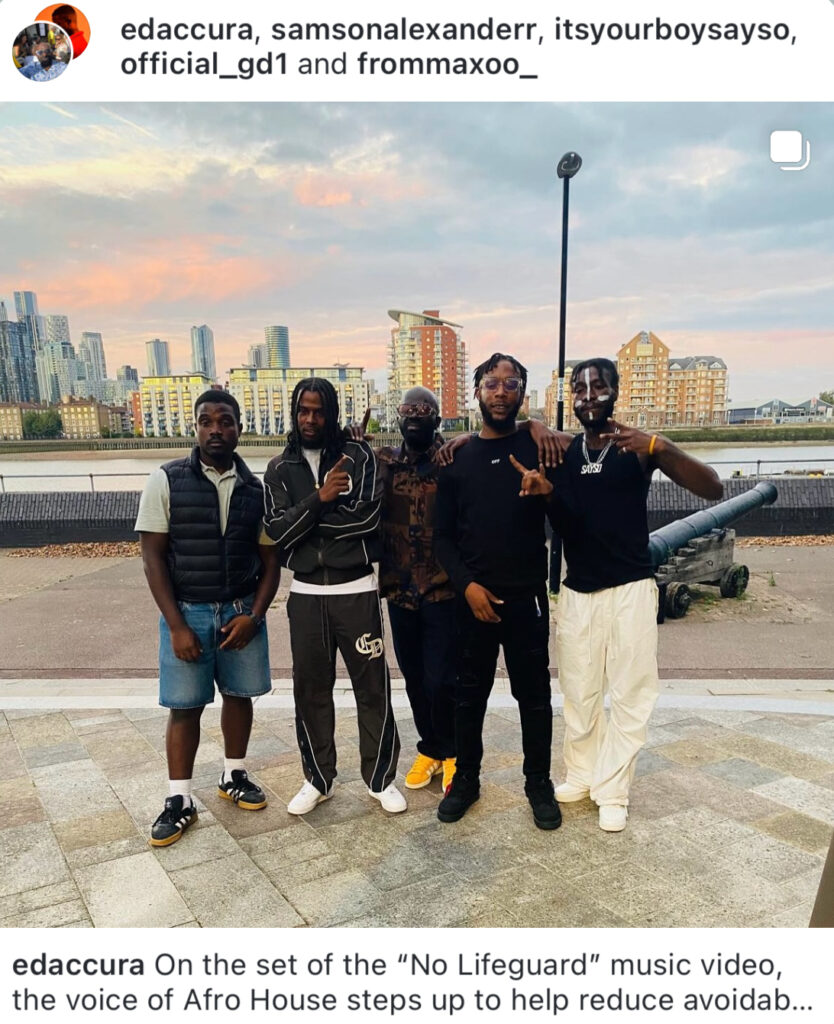
‘No Lifeguard’ was released on September 29th, just six days prior to our meeting. I listened to the song many times before meeting Ed. I wanted to really get the message by understanding all the words and each singer’s story. Ed invited other rappers to this collaborative piece. He felt his story had been heard so many times, that this song should be about other’s stories and voice. Ed’s voice frames the song while three other artists (Maxoo, Goldey One4, and Samson Alexander) take the mic with their water story inspired verses. Ed gave the artists the refrain, the beat, and the simple directive to build on the message. It didn’t come easy to some of those he asked, and that opened the door to those who responded to the beat and wanted to add their voice. What resulted was authentic experiences around water with Ed’s ‘don’t swim where there are no lifeguards’ woven in. It is a song that isn’t repeating the well known water safety refrains song by Black rap artists. It is a song that hopefully will reach Ed’s audience because they see themselves in the story and opens the door to learning more about what can keep them safe around water and that there is joy to be found around water.
How to create momentum around Ed’s message and work. Here he is again, investing his own effort, funds, and creativity to educate and save lives around water safety. Ed’s answer to sustaining momentum is young people. They are the leaders of tomorrow who will change behaviors, set policies, and use their voices to carry on the momentum. Once again Ed is releasing his work just before the UK’s Black History Month in October. He is proud that in the last couple years he has helped create the largest number of Black and ethnic voices talking about swimming during the month of October. This year could build on that with his new release.
Plan and Prepare
And to loop back on the conversation inspired by the Outdoor Swimming Society’s response to Ed’s ‘No Lifeguard’ campaign. One of the tenets that came out of my Water Safety campaign work with Recreate Responsibly in 2021 where a national group of water safety advocates from various outdoor perspectives was ‘Plan and Prepare’. Show image of tile. When you plan your next swimming outing, we encourage you to ask ‘will there be a lifeguard present? What are the lifeguarded hours?’ and seek locations where you know there will be a lifeguard to reduce your risks around drowning. Another key tenet is ‘Know before you Go’. Know the weather conditions, water conditions, if there are specific location features or knowledge you should be aware of, and what gear should you have with you for your activity. Our Camp SPLASH! participants know these questions well. We spend the first three days of our one week camp planning and preparing for an outdoor water adventure (typically a day out kayaking on our local Lake Sammamish, but this year was a day out paddle boarding on Lake Washington). Sharing this with Ed helped him see ‘No Lifeguard’ as a place to start the conversation around how to plan and prepare for your personal water decisions. ‘No Lifeguard’ can open a door that many didn’t know existed and begin the conversation around water safety and good decision making to prevent drownings.
Learn more about Recreate Responsibly’s Water Safety Guide
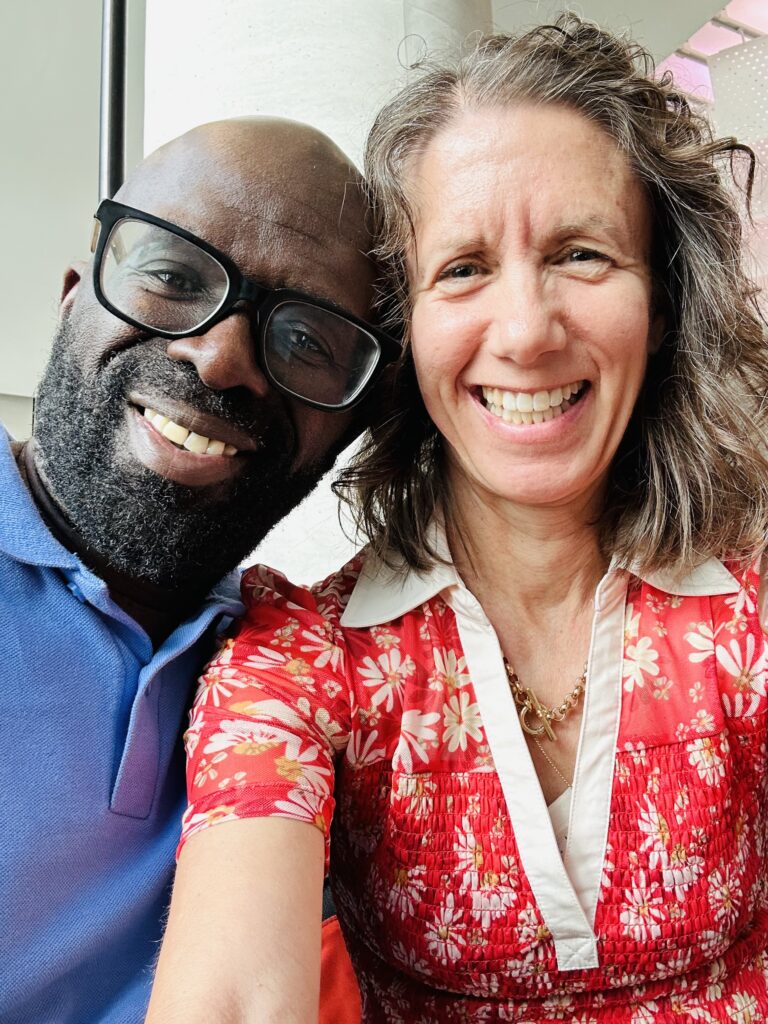
Photos by Susan Pappalardo


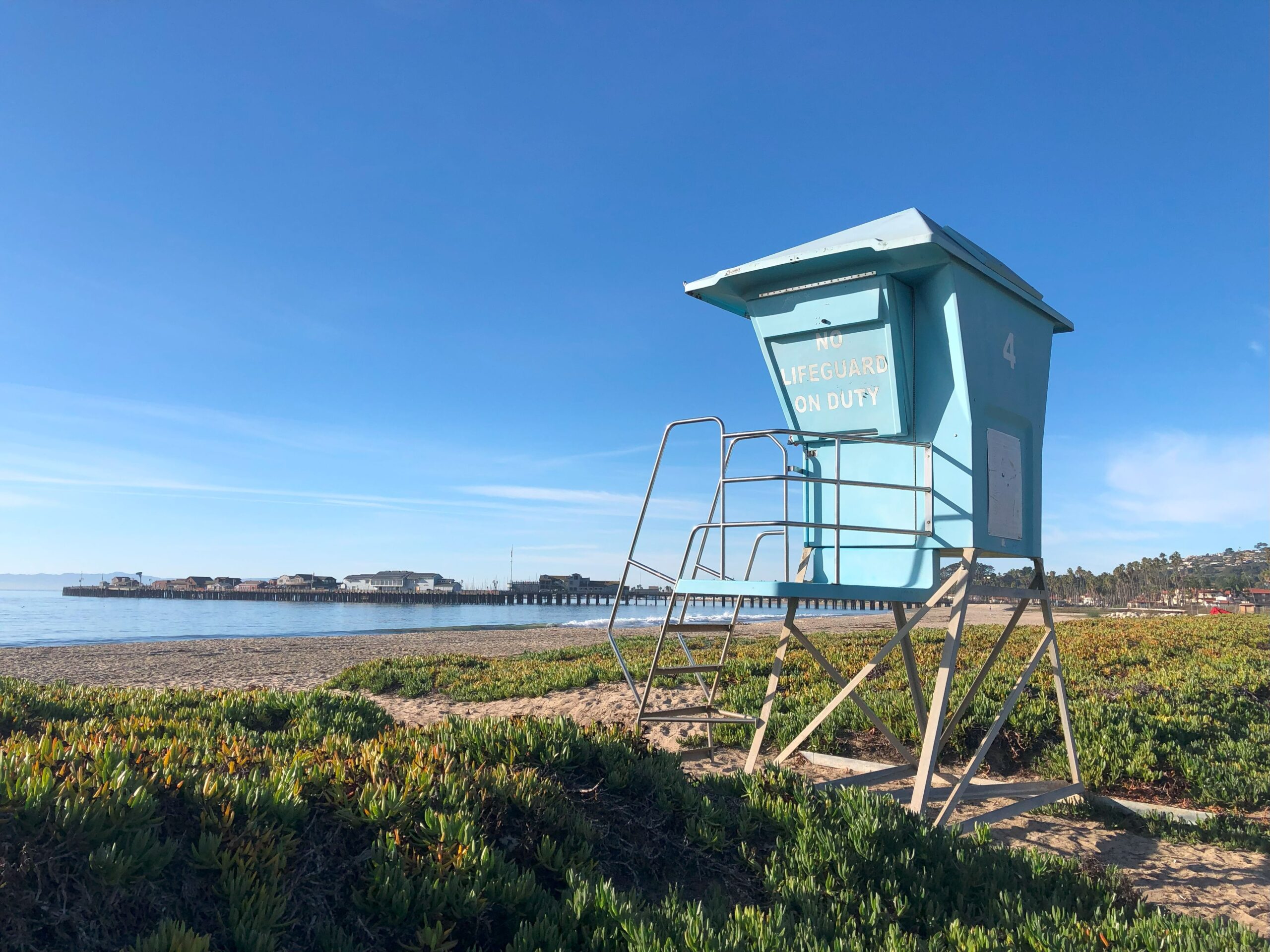
Photo by Susan Pappalardo
"If you don’t see a lifeguard, then see no sea. If you want to take a chance, then D by D (Death by Drowning)"
“If you wanna take your life it’s not fine by me. If you wanna take a chance, then just slide by me. Cos I will be rolling in and out of traffic. I’ll be zoning. What’s the potion. Feeling like I’m floating. Maybe I need coaching. I don’t wanna drown. I don’t wanna frown. I just want to kick my feet straight up off the ground. I don’t wanna panic. I know everything is planning. I’m not fresh off the boat. Legacy is all I know.”
‘No Lifeguard’ by Ed Accura, Maxoo, Goldey One4, Samson Alexander